Your Birth Story Matters: Making Meaning After Pregnancy and Birth
The Importance of Your Birth Story in the Transition to Parenthood
Every birth story is significant, not just as a personal account but as a vital part of the transition into parenthood. These narratives shape how we view ourselves, our experiences, and our future as parents. The process of pregnancy and childbirth is often filled with intense emotions, challenges, and joys that can profoundly alter our perspective on what we expected. For many women, reflecting on their birth story plays an important role in postpartum emotional health and identity as a parent.
Reflecting on Your Birth Story for Healing and Understanding
Sharing your birth story allows for reflection and deeper understanding of your unique journey. It provides a moment to pause and analyze the events that unfolded, whether they went according to plan or took unexpected turns. This act of sharing can help transform feelings of disappointment or guilt into recognition of your strength, adaptability, and resilience. By reframing the narrative, you may find that moments you once considered failures can be recast as triumphs, revealing the strength you showed throughout. This can be especially meaningful for those processing birth trauma, unexpected medical interventions, or difficult postpartum emotions.
Why Being Heard After Childbirth Matters
Many women often feel unheard in the healthcare system, especially after childbirth and during the postpartum period. Giving space for a woman to tell her story can prompt significant self-reflection and healing. It recognizes the magnitude of the birthing experience, validating feelings that might otherwise be minimized or ignored. Sharing your story engages others in your experience, breaking the silence surrounding the complexities of childbirth and postpartum emotions.
Birth Stories as Legacy and Connection
Telling your birth story is also a way to connect with future generations. Children can find a sense of identity by hearing about their own birth, feeling special and unique as they learn about the day they entered the world. This tradition of storytelling fosters connection and continuity within families, passing down experiences and lessons learned.
How Sharing Your Birth Story Empowers Other Mothers
Retelling your birth story is not just an exercise in personal healing; it can serve as a powerful resource for other women. Many expectant mothers seek guidance and reassurance, and hearing the real, unfiltered experiences of others can help prepare them for the realities of childbirth. It creates a community of support, where women can openly discuss fears, challenges, and the unexpected elements of bringing new life into the world.
Embracing Your Birth Story
In essence, your birth story is rich with meaning and emotion, offering opportunities for healing, identity formation, and connection with others. Whether you choose to share it with friends, family, or a wider audience, telling your birth story can support postpartum emotional well-being and help you move forward in parenthood with greater self-compassion and resilience.
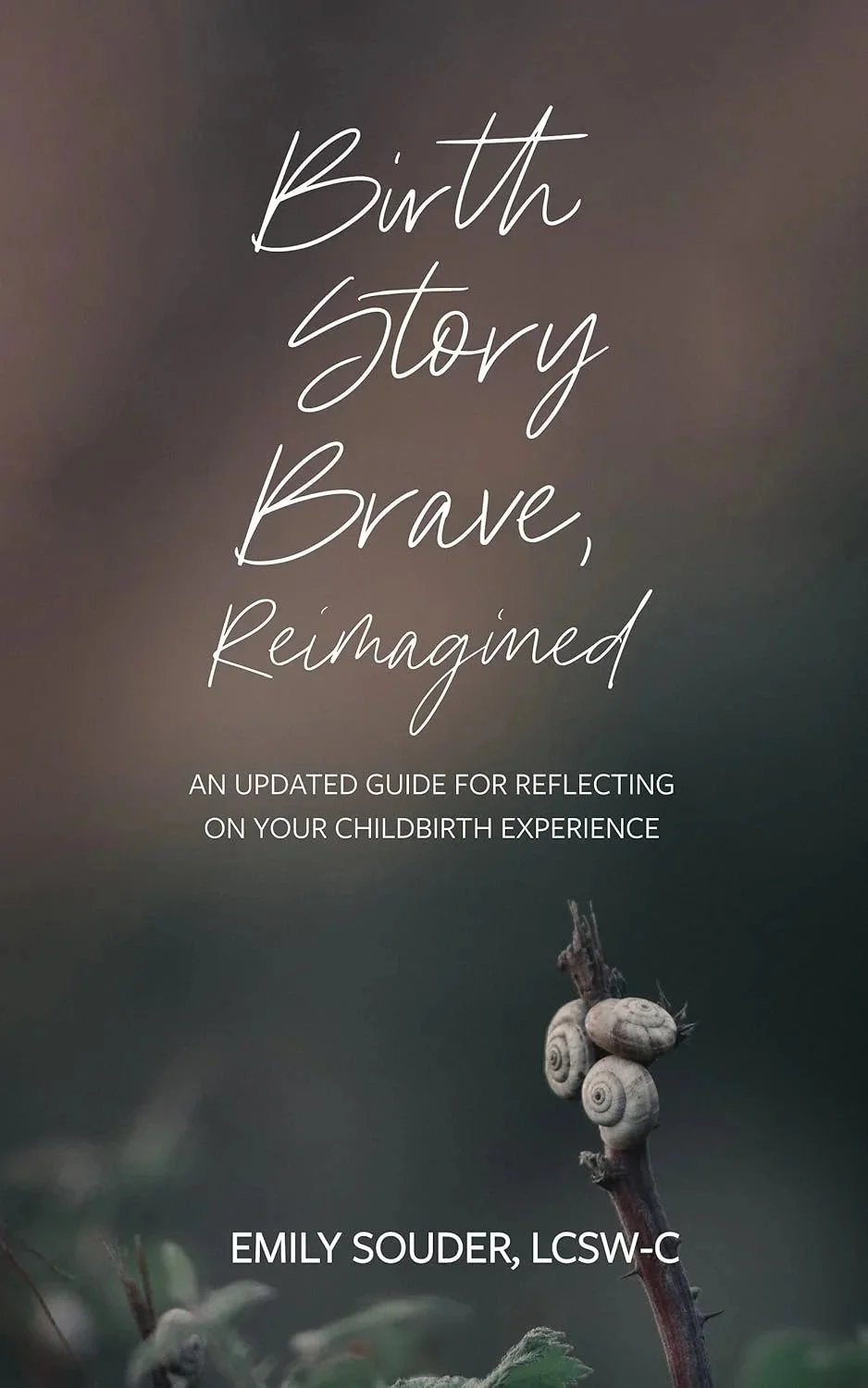
For those who want additional structure, a guided birth story workbook can offer gentle prompts to help make sense of your experience at your own pace. Some parents find that written reflection supports emotional processing, especially when parts of birth felt unexpected or overwhelming. This is a resource I often share with clients; I’m not affiliated with the author.